
Tango Dance Shoes
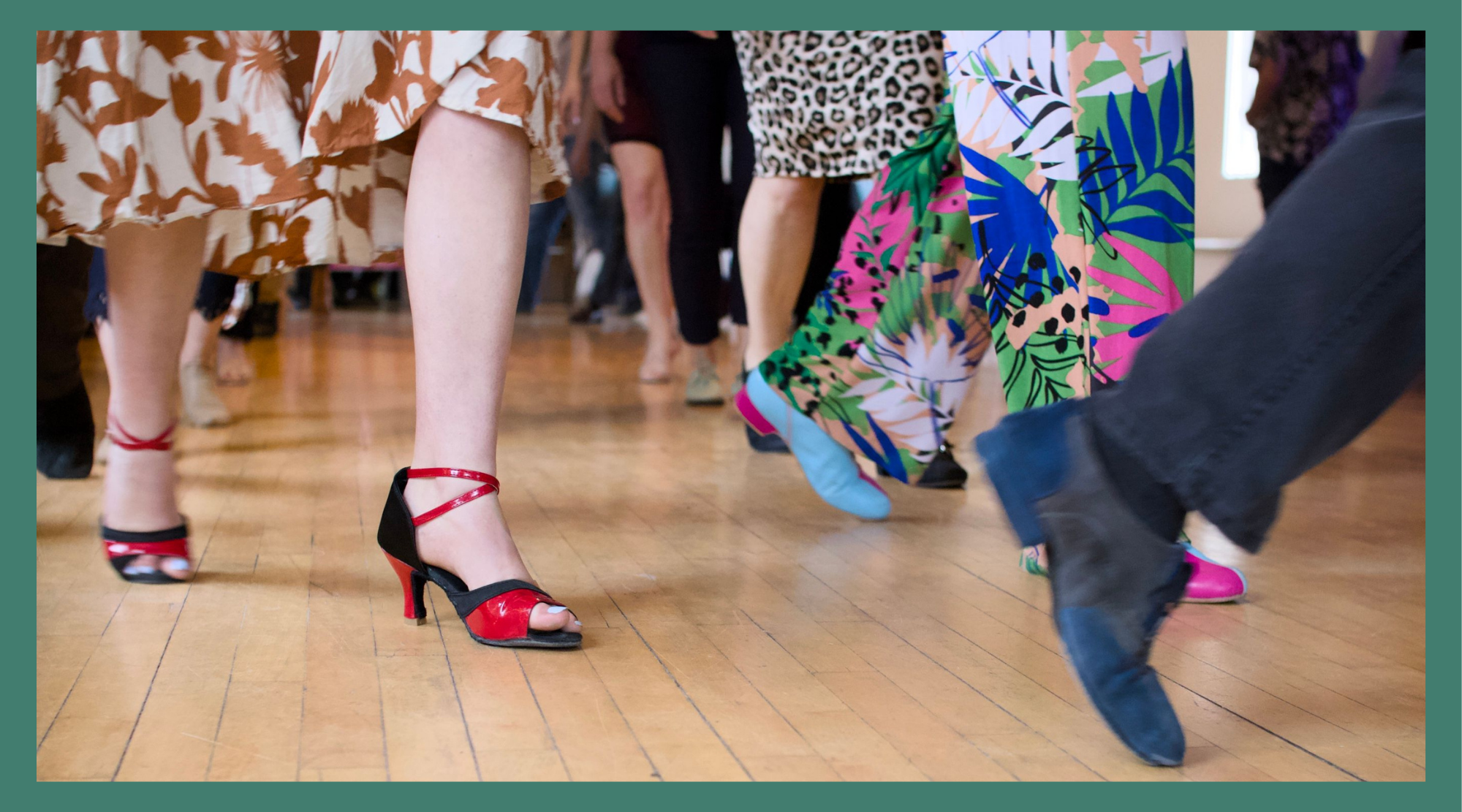
The first thing many people think of when they hear “tango” is the crazy high heels that the women wear.
Lets get that myth out of the way right now.
Do you need to wear heels to be a tango dancer: NO. Does it make a HUGE difference to wear shoes made for dancing: YES!!! For both leads and follows, having shoes that allow you to easily pivot is very important. You can get away with dancing in socks or awhile. But if you have decided to dance long term we highly recommend dedicated dancing shoes. Here are some options to help you get started…
Option 1 $: Convert a pair of sneakers.
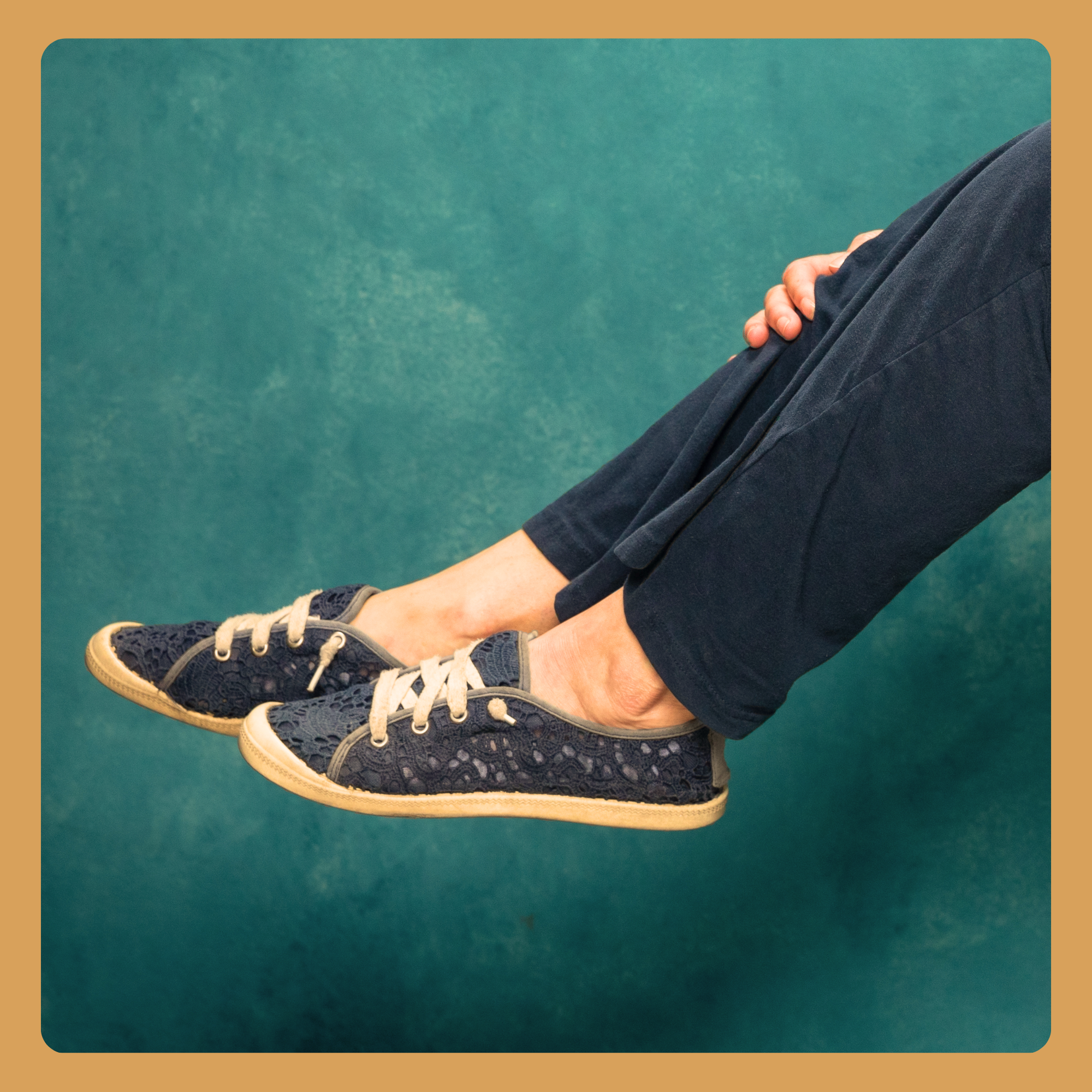
You can buy a $20 piece of suede or leather from a craft store and glue it to a pair of normal shoes. This is a super affordable, comfortable option.
Missoula store Hide & Sole has leather scraps for as little as $3! and “Shoe Goo” works very well for adhereing the leather (also available at Hide & Sole)
Here is a video tutorial for converting a normal shoe into dance shoes.
Option 2 $$: Economical dance shoes.
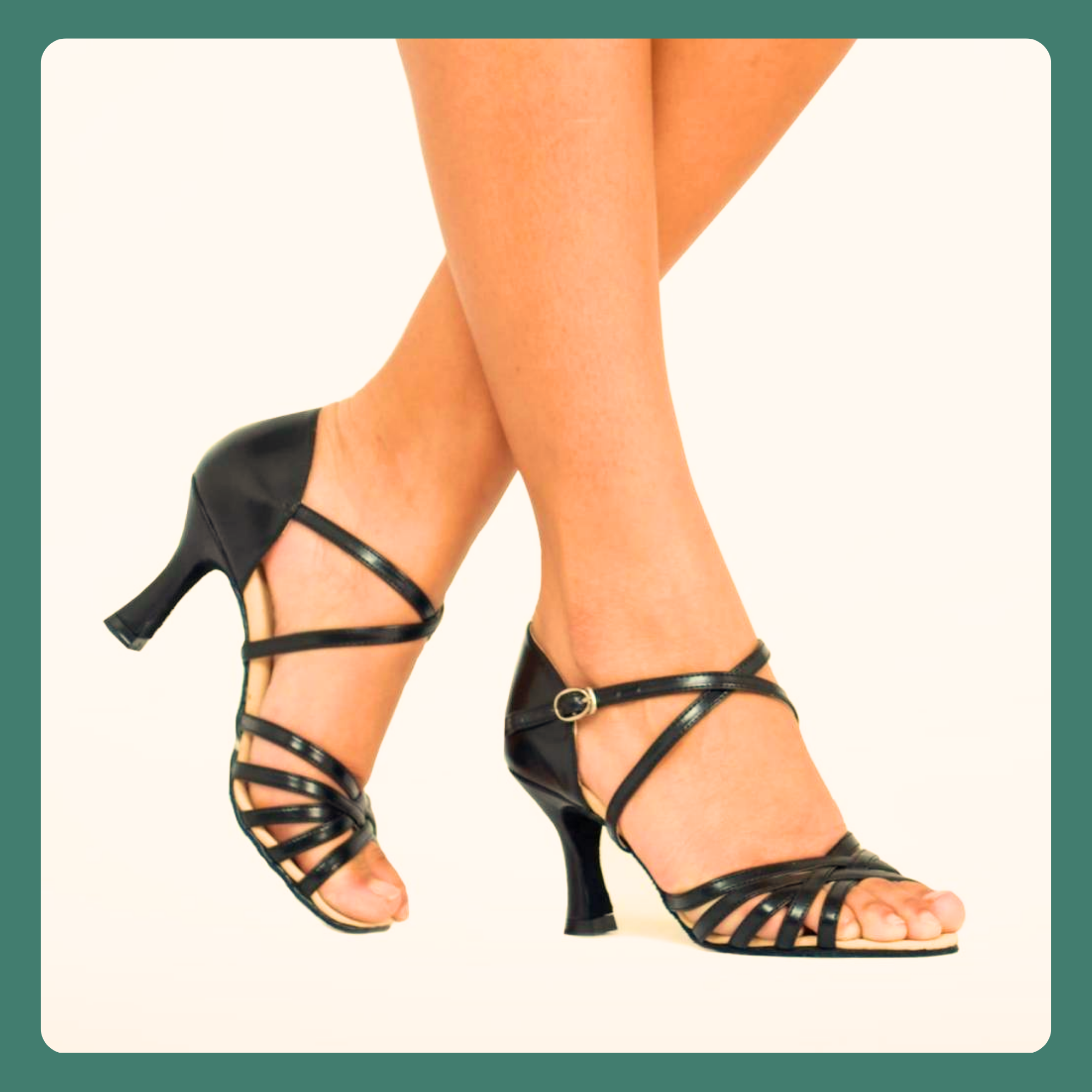
Here are some wallet friendly options for your first dance shoe.
Tip: We do not recommend buying a $20 Latin dance shoe from amazon, they are not great quality and dancers often end up having to buy a different pair almost immediately. Good old Ebay on the other hand can be a great way to buy high quality, gently used dance shoes.
Capesios on Ebay, Dance and Sway
You can also go to Walmart, Target, or any dance store, and try on a ballet flat or jazz shoe. Look for comfort and an easy pivot.
Option 3 $$: Borrow or buy from a local dancer.
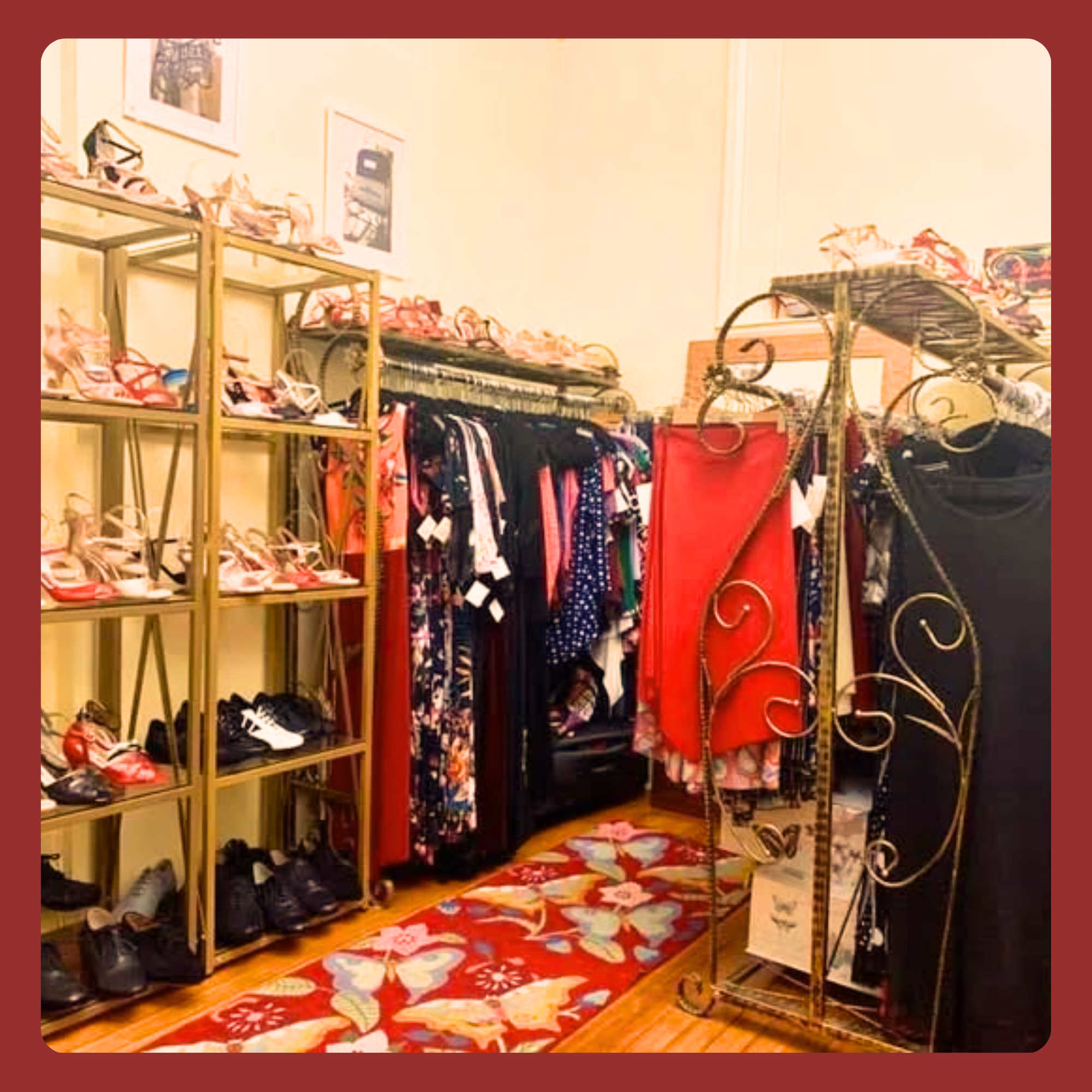
Seasoned tanguera and tangueros often have a closet full of old dance shoes. Feel free to post on the “Missoula Tango Community” Facebook group with the type and size of shoe you are looking for. This group is a local tango bulletin board and there is a good chance someone has an old pair they will lend you or sell you. This also allows you to explore different brands and styles to find one that you like.
Keep an eye out at events like the “Missoula Mini Marathon” sometimes there will be shoe and clothing exchanges and you can find great deals!
Option 4 $$$ :The real deal.
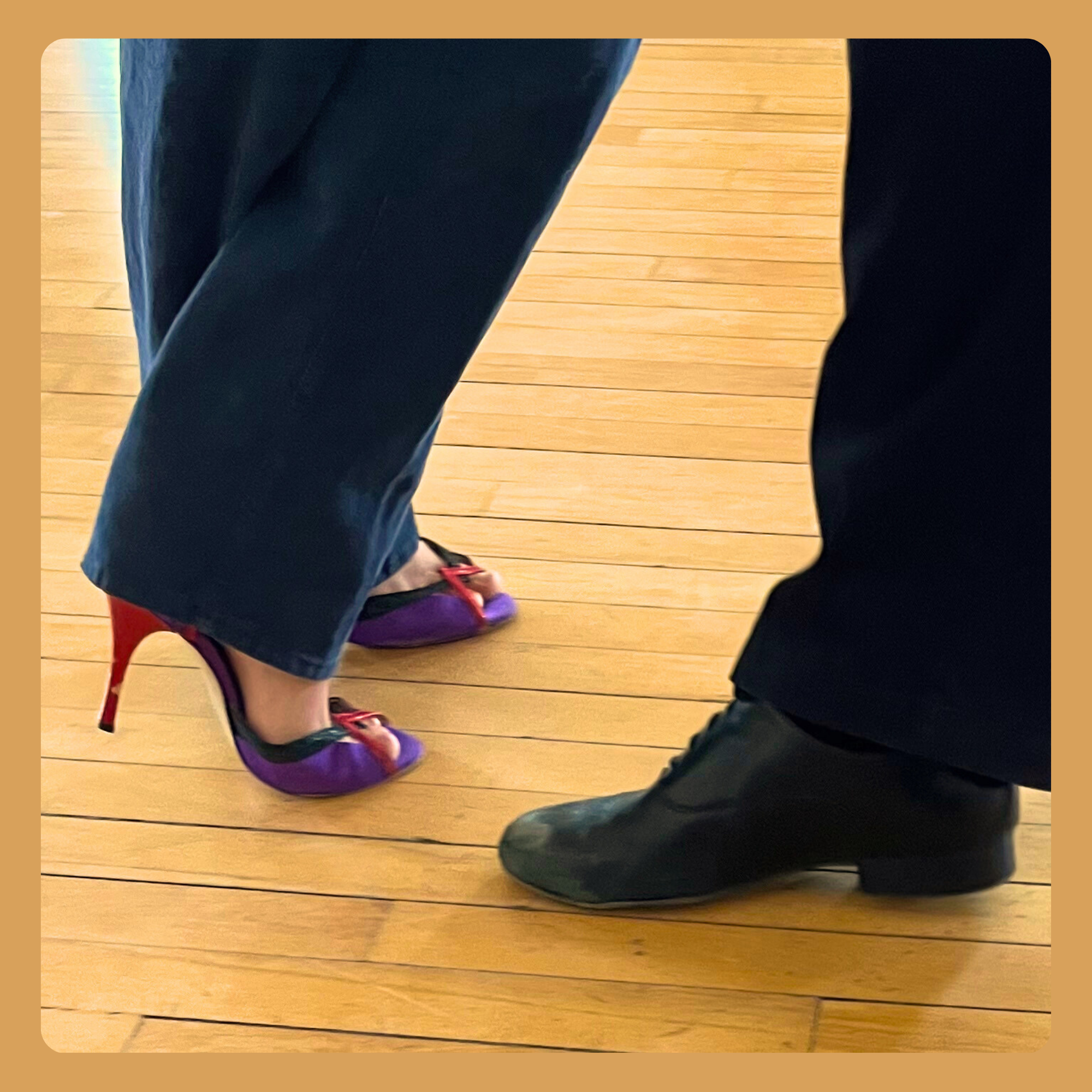
If you have been dancing for sometime, you may consider buying a tango dance shoe. Tango shoes can get expensive quickly but they are often made by hand and tailored to your foot giving you more comfort and control. Festivals will often have shoe vendors and experienced dancers will give you their recommendations. Here are some brands that our community has found success with:
Katrinskis, DNI, Mileva, Neo, Regina, Tengolero, Werner Kern, Lisador, Entonces, Mr. Tango, Comme Il Faut, Movimiento
FAQ: But what about the height of the heels?
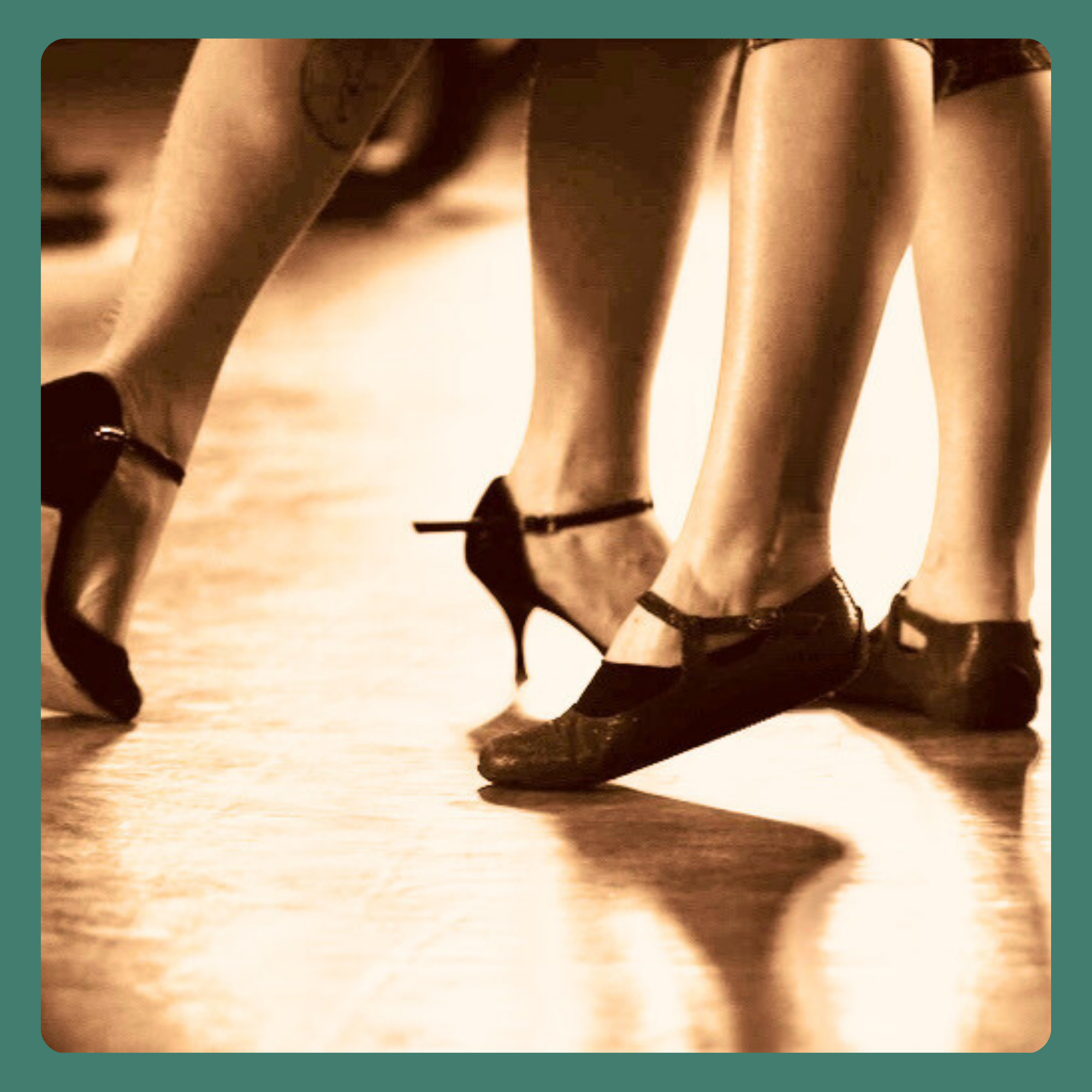
Dancers choose to dance in shoes from flat to 4″ stilettos and everywhere in between. And everyone has an opinion on what height is best, especially for followers. We recommend starting in flats or in short heels while learning the fundamentals and then graduating into higher heels when you feel comfortable (if that’s what you want). Some dancers, lead and follow, dance their whole career in flat shoes, some in heels.
Pros of Heels: Some people feel empowered and sexy, they can extend the line of your leg. Some followers (and their partners) feel that it helps to place them in a good posture for tango.
Cons: Its harder! As Yelizaveta says “you will never be as balanced, as grounded, in heels as you will in a flat shoe”. But with practice you can become stronger and more comfortable dancing in heels.
FAQ: Can't I just use any pair of heels/shoes I have?
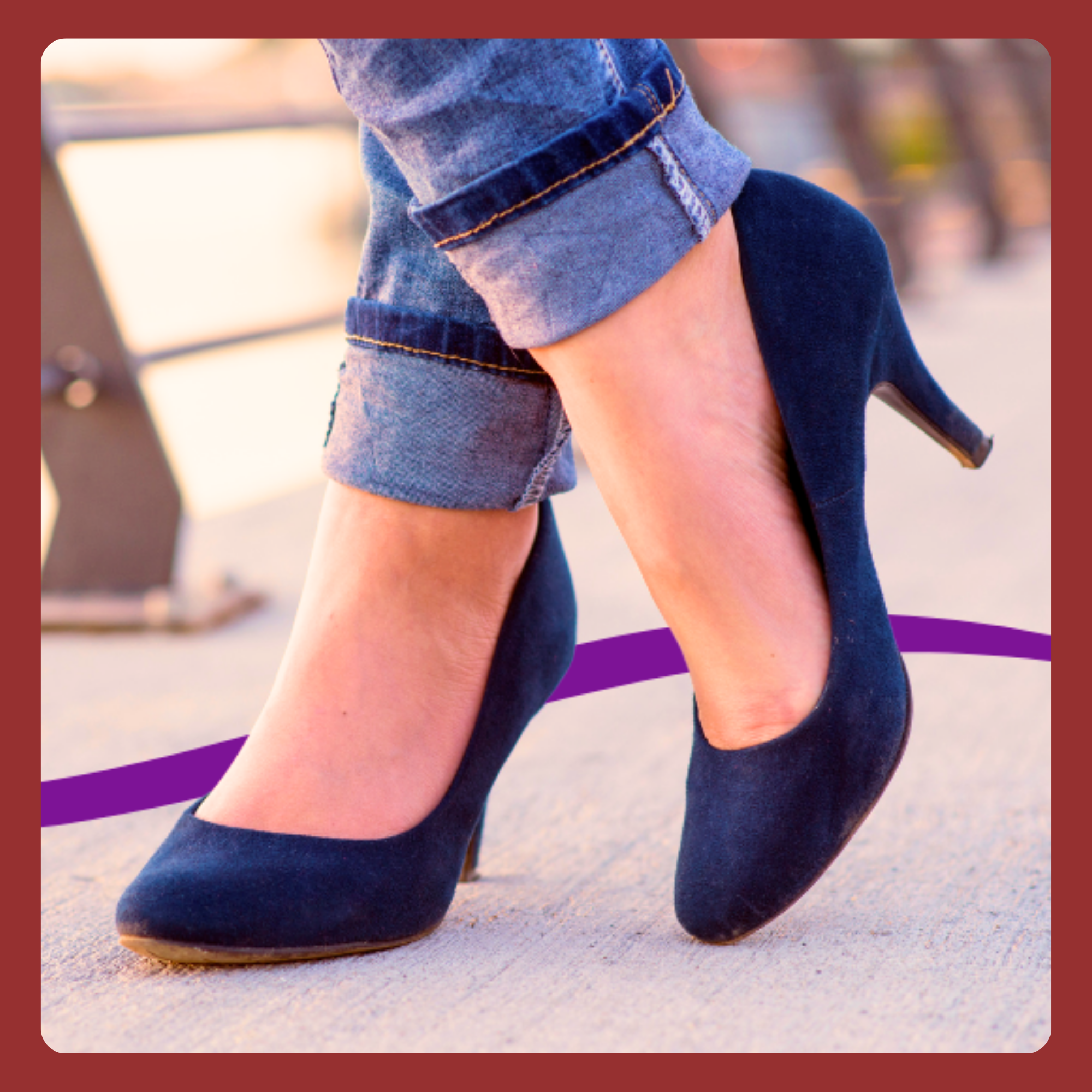
Short answer, no. Regular street heels/shoes will not work for tango.
Long answer: street shoes are built for walking, the center of balance of the shoe is toward the back of the foot where dance shoes shift the center of balance to the center or front. Street shoes often have grippy soles, which you want for walking down the sidewalk, but they make pivoting difficult, and painful as it puts pressure on your joints. You also don’t want to bring the dirt and grime on your street shoes onto the dance floor as it can ruin suede bottom dance shoes.
FAQ: What about shoes for leaders?
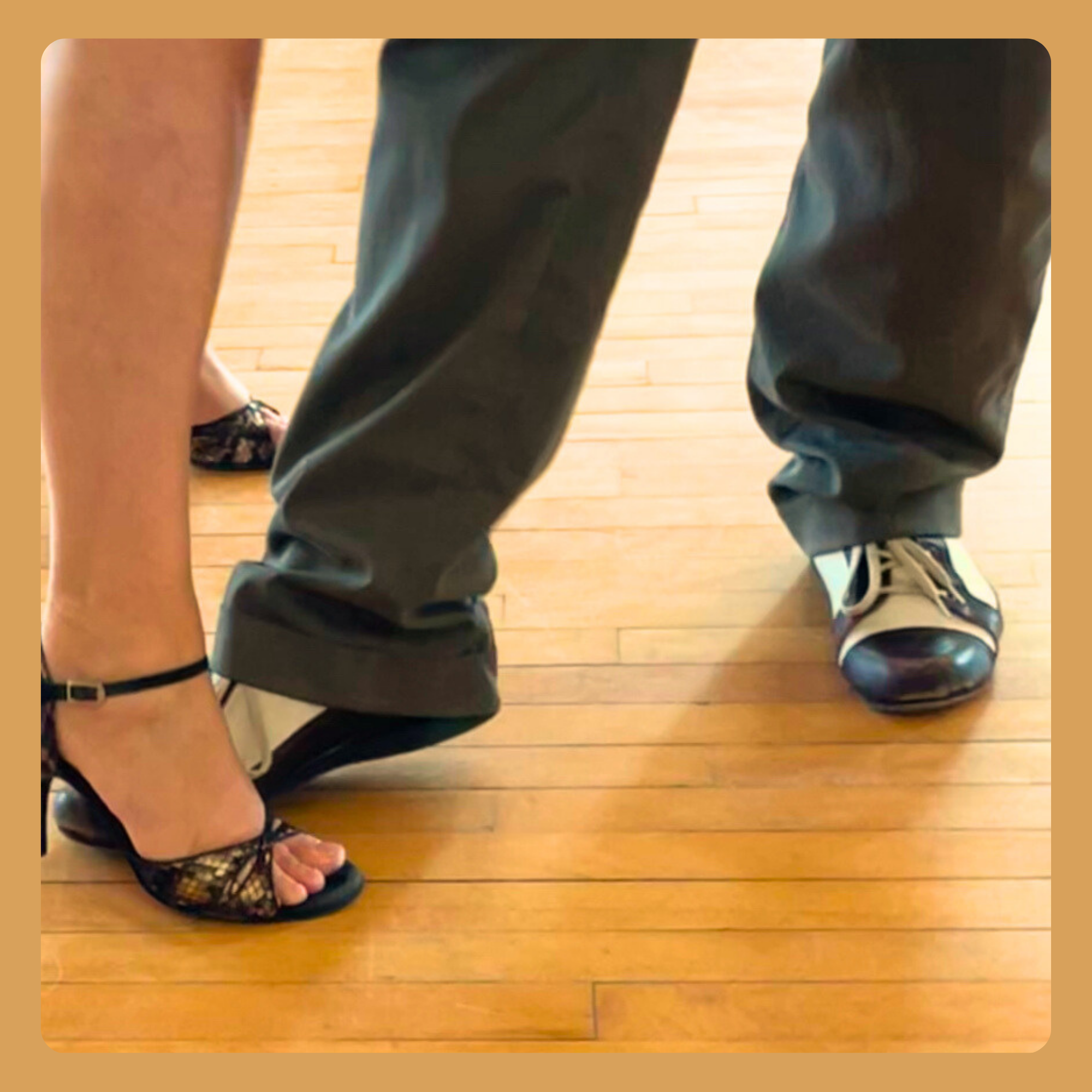
Leaders need shoes too!
They also need to be able to easily pivot. However, often leaders where flat or lower heeled shoes as they push from the heel more as they dance and provide a solid base for their partner. Leaders can use the same tips above to find a great pair of shoes. (If you plan to switch leading/following you may want to look for a flat or lower heel so you can use them for both).
FAQ: What size should I get?
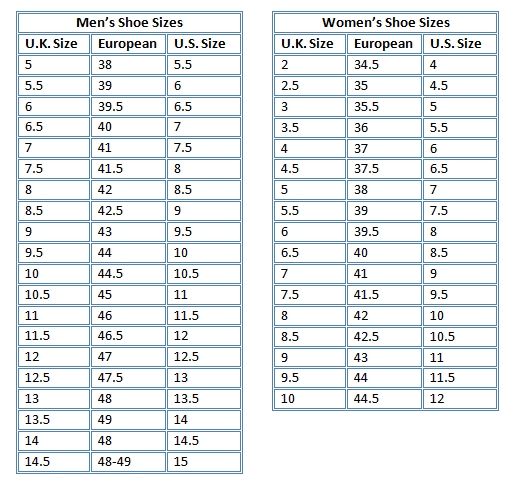
Often tango shoes will be in European sizing, you can use the this chart to find an approximate size. Unfortunately the size and fit of tango shoes vary vastly between brands. The best way to make sure a shoe fits is to meet with the maker/brand rep and have them custom measured and made.
The next best option is to find local dancers who wear your size in street shoes, and ask what brands they like and if you can try on their shoes. You can see what brands work for your feet, and what size in that brand. Then purchase online or look on ebay for a good deal. Use specific searches like “Comme il Faut tango shoes size 37”.
Hot Tip: Lori Mitchell is the queen of finding shoes on ebay, seek her out for shoe tips!
Looking for more information?
Here are some articles and reviews written by Missoula community members and other tango experts:
Tip: ask your teachers and fellow dancers about their shoes and the brands they love
Getting Tango Shoes - Some thoughts from Lisa Ronald (Missoula Teacher and Organizer)
Many would say that the allure of tango is in the shoes, however, selecting a good shoe, especially if you’re a beginning follower, can seem daunting and expensive. It’s easy to become glassy-eyed over the latest flashy styles, but a good shoe is one that renders you solidly grounded with weight on your heels and serves, not as a separate entity, but simply as an extension of your natural foot. Believe it or not, a fully grounded follower in three inch stilettos can support an off-balance leader who outweighs her by 50 pounds! Conversely, a fly-weight follower whose ankles are shaking because her heels are too high will tax leaders who dance with her.
When starting out, err on the side of a shorter, wider heel—less than two inches high. If you succumb to the siren of three inch stilettos right off the bat, you will struggle for a much longer time to improve your balance. Street heels right out of your closet might seem like an initially attractive option, but the heel on such shoes is rarely positioned directly under your proper balance point, a recipe for shaky ankles. Ditch your street heels and start with an inexpensive pair of authentic dance shoes. “Very Fine” is a good beginner brand with new shoes starting around $50. You can order them online and they are true to size. They have a lot of different styles and for each style you can choose your size, your heel height, and your heel width. Unlike more expensive brands, most of the styles are available in most common shoe sizes. In general, a closed heel is a more stable shoe than the really strappy open-heeled styles. With this brand, and many others, buy your shoes one half to one full size smaller than your street shoe size. They will be really tight at first, but they will stretch a fair amount. When broken in, your shoes should still fit your foot like a glove, since loose shoes will consistently feel unstable. To prevent blisters with a new pair of shoes that are tight, tape your toes the first few times with any athletic or stretchy brown medical tape that you can buy in the grocery store.
Over time as your dancing advances, you should try a variety of styles—closed heel, open heel, closed toe box, open toe box, T-strap, around-the-ankle straps, over-the-arch-straps etc.—to find the type that you like best and, once you develop good balance in a shorter heel, it will be easier to move up to something a little higher and a little thinner. Move up incrementally in heel height and thinness (ex. go from two inches to two and a half inches), once you’ve changed heel heights, stick with it. Don’t buy five pairs of shoes that are all different and try to switch between them every time you practice. Marry yourself to one shoe for a while so that your dancing becomes consistent with that shoe before you try a different style. Generally, cheaper shoes will last six months to a year with heavy wear, while more expensive brands like Comme il Faut or Turquoise may last in the two-year range.
When you get to the point where you’re ready to try more expensive brand shoes, make sure to try shoes on in person. Do not order them online sight unseen! The more expensive brands fit very differently, and even different styles of the same brand can fit dramatically differently. Additionally, not every style is available in every size or heel height. By this point in your tango practice, you’re likely attending or considering attending tango festivals, where common shoe vendors showcase the latest styles. Add $200 to your travel budget and try shoes on first thing at the festival. Once you find the exact brand, size, style, and heel height you like, you can order new pairs online from the vendor or find them at lesser cost on ebay. Generally, shoe vendors come out with new styles every year or two and retire existing styles, so buying multiple pairs of a style you really like can be advantageous in the long run.
Happy shoe shopping!
Leading Shoes - Rob's Reqs (Missoula Teacher and Organizer)
Tango shoes are pretty subjective due to foot size, width, budget, and intent. depending on wether you are performing or just using them for social dancing, cushion matters. Because of my fee I like Tangolero, Werner Kern, and SOME Lisador.
The Cinderella Shoe - By Lori Chase (Missoula Teacher and Dancer)
My favorite brand of tango shoes is “Entonces.” They are made in Italy, and come in various styles, colors, and widths. The US sales rep., Simona Perra-Jones, from whom I get my shoes, is based out of Austin, TX. This is her website: https://tangotana.com/
I discovered Entonces on the last day of the Albuquerque Tango Festival in October of 2022, six years into my tango journey. My feet were tired, and I was not looking for a new pair of shoes. I walked out of the ballroom and would have walked right past the tables of shoes for sale, but my friend Kathy was trying on shoes, so I stopped to wait for her to walk back to the hotel where we were staying.
That’s when I saw them. An inconspicuous pair of “nude” color low (7 cm) heels. Up until that moment, my heels were always the highest I could get (9 cm), in hopes of increasing my height by any minuscule amount. I also tended to gravitate toward black, dark, or flashy colors.
Simona, the salesperson, asked how wide my feet were. I’d never considered this before. She had a variety of sizes, styles, and colors, as well as widths. And this little pair was the only one in my size with a wider toe bed. Lower heel. Lighter color.
So out of curiosity, I decided to try them on. I slipped one onto my foot, and like Cinderella trying on and being reunited with her glass slipper, it fit like a glove. The other one slipped onto my other foot just as smoothly as the first. The clasp had a little bit of elastic, for when your feet begin to swell throughout the night.
I walked around the lobby, and I was comfortable. Comfortable, with aching feet that suddenly felt renewed. My toes spread out in the wide toe bed, and I felt that, for the first time, I could really spread out and use my whole foot. The heel was perfectly aligned in the middle of my heel, and there was no uncomfortably drastic arch through the center of my foot. These shoes balanced my weight out perfectly. They had just the right amount of padding under the ball of the foot and fit my feet just right.
I bought the shoes and danced in those shoes that night, for the final milonga of the festival. There were no blisters, there was no discomfort, no breaking-in period. It was like they were an extension of myself, a part of my feet. (Bonus: the “nude” color made my legs look longer.)
After six years of dancing, I’d discovered a pair of shoes that I was comfortable dancing in. Until then, I guess I just assumed that dancing in heels would always be uncomfortable. But not anymore. I wore them throughout the next year, to various festivals throughout the United States, as well as in Buenos Aires, Rome, and Sicily. I wore them until the strap broke and I had it repaired, until I’d replaced the heel tips more than once. I wore them until the leather started to fall apart, then I bought another pair exactly like them.
But the next time I saw Simona and her Entonces, that style was not available. So I bought a different style, with a flower pattern. They became my new favorite pair. I’ve since purchased several more pairs, in various styles, from her over the years.
Entonces are not cheap ($200-260), but they are worth it. They are beautiful and comfortable, and most importantly, enable me to connect with the floor without thinking about my aching feet. Instead, I can focus on connecting with my partner and the music.
Everyone’s feet are different, and it may take a while to find the style that works for you. Find something that you can find balance in. Where your toes can spread out and not be scrunched up. It’s way more important to be able to balance, on your axis, than to be a couple of inches taller in uncomfortable shoes – turns out it looks better too!
What to look for when buying tango shoes - Dagney Arizona
Tango flats: 5 shoe brands I love for dancing tango - Yelizaveta Nersesova
***This list reflects brands that our community has had success with. We are not endorsed or paid by these brands, nor can we guarantee that they will be right for any specific dancer***