Argentine Tango Frequently Asked Questions

General Questions

Do you need to wear heels to be a tango dancer: NO. Does it make a HUGE difference to wear shoes made for dancing: YES!!! For both leads and follows, having shoes that allow you to easily pivot is very important. You can get away with dancing in socks or awhile. But if you have decided to dance long term we highly recommend dedicated dancing shoes. Head to our Tango Shoe  page to learn more

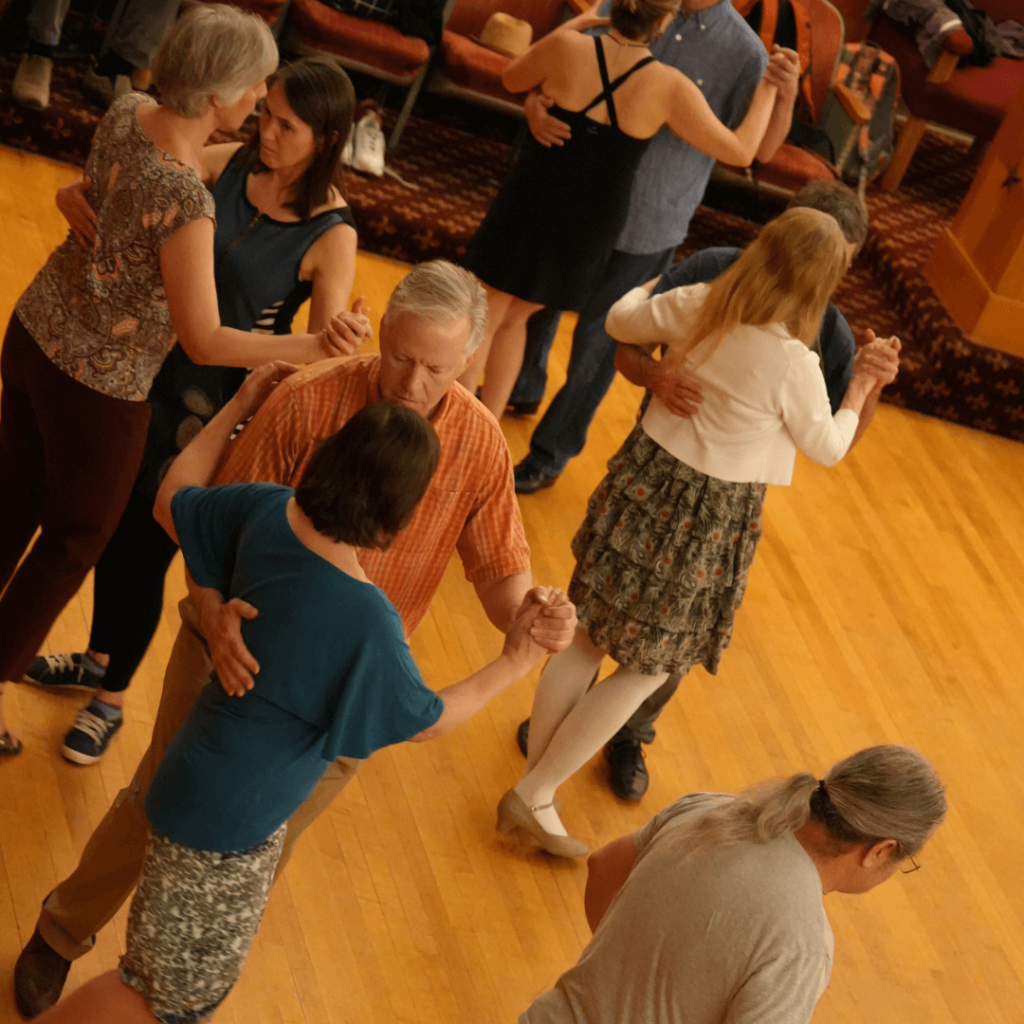
No, you do not have to have a partner for social dances or for classes. You can choose to come with a partner if you would like, but tango is a social dance and dancers are encouraged to dance with everyone.

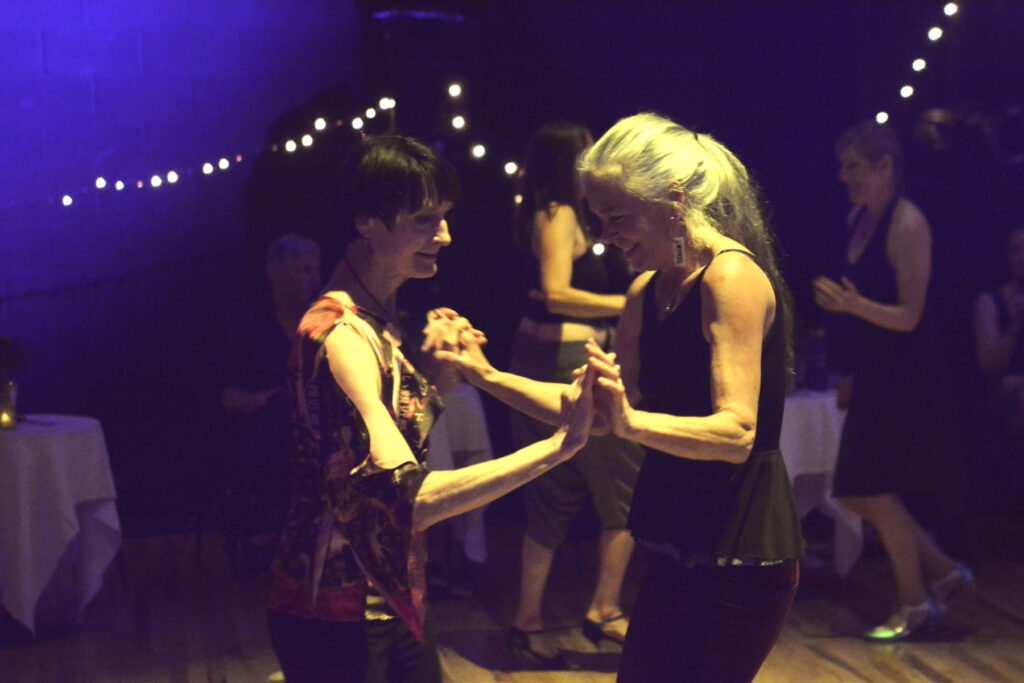
Contrary to popular media anyone of any gender can lead or can follow. Traditionally, and still in some milongas, men lead and women follow. However in our community and in most tango communities around the world this is a very outdated idea. We like to encourage people to choose for themselves which role they would like. If you want to be the navigator, musicality decider, be “in charge” maybe leading is for you. If you want to focus on interpreting what your lead is offering, lots of focus on balance and pivoting, and let someone else drive, maybe following is for you. If you choose one today you are not committed forever. Many people in our community switch and do both.

Tango Missoula Practica

No problem! Plenty of people start their dance journey with tango. While music and  movement experience of some kind: yoga, martial arts, ballet, salsa… is certainly helpful, it is not required.

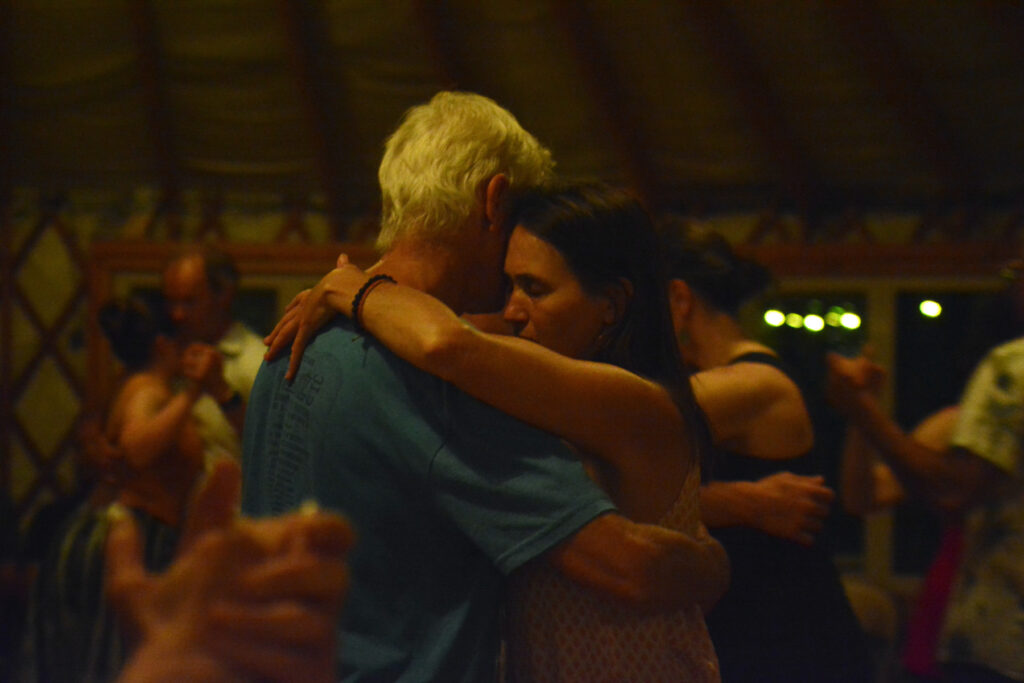
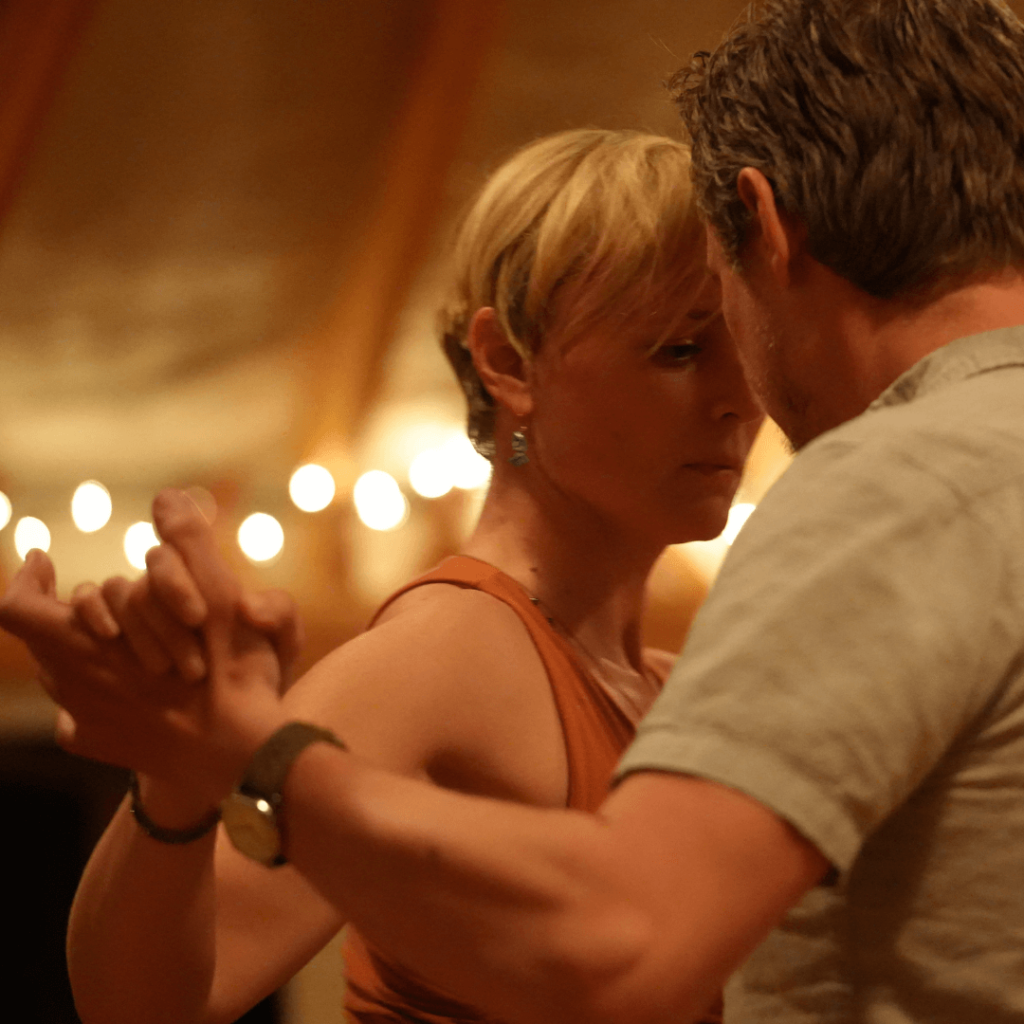
Tango may appear sexual or sensual because of the nature of the dance. You are dancing with a partner, close together, often with dramatic music. But most dancers are friends who just enjoy dancing together. Tango can also be silly and lighthearted. You should always feel comfortable during a dance, and if you are not you are always welcome to end the dance at any time.

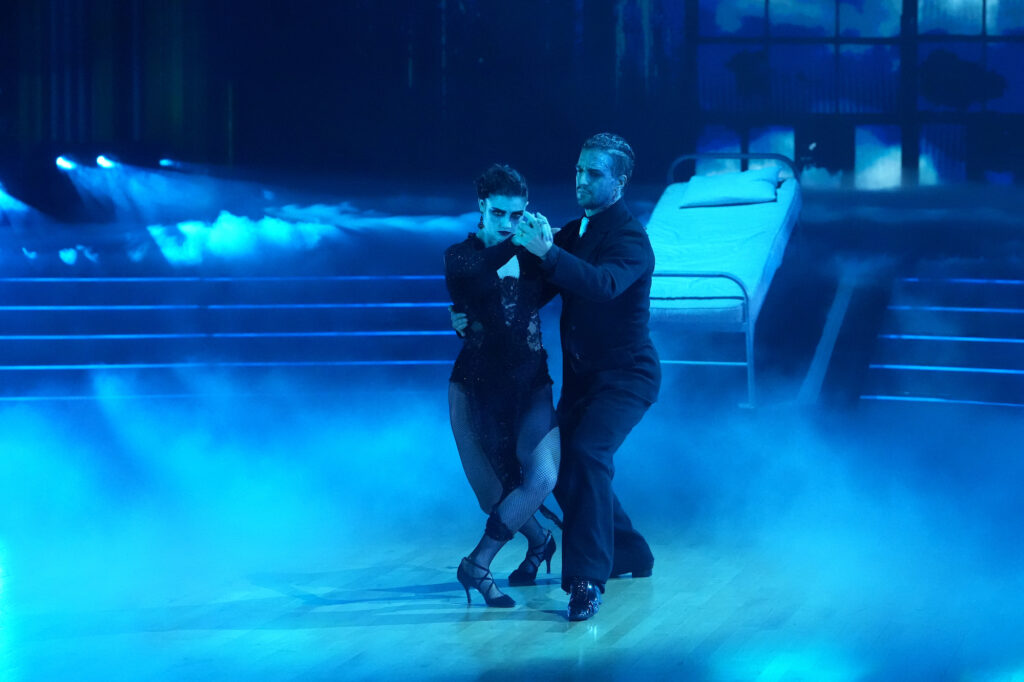
Argentine tango is one of the dances you may have seen in the popular show Dancing With The Stars. But of course, this is stage tango and very over the top compared to regular social dancing. If you come to the Fall Montana Tango Festival or to a workshop you may see professional dancers performing at a similar (or higher) level to DWTS.

Tango was born in the late 19th century in the working-class neighborhoods of Buenos Aires, Argentina, and Montevideo, Uruguay as a social dance. As it became more popular, came to the states, was featured in films, a new style called American Tango was born. This is the familiar two dancers cheek to cheek with a rose between their teeth strutting down the ballroom floor you may think of when you think of tango. This style is called “Tango”, “American Tango”, or “Ballroom Tango” and is often included in ballroom dance studios and competitions. The traditional social dance is now called “Argentine Tango” and while it also is featured in competitions, it is mainly a social dance style.

Classes & Milongas (social dances)

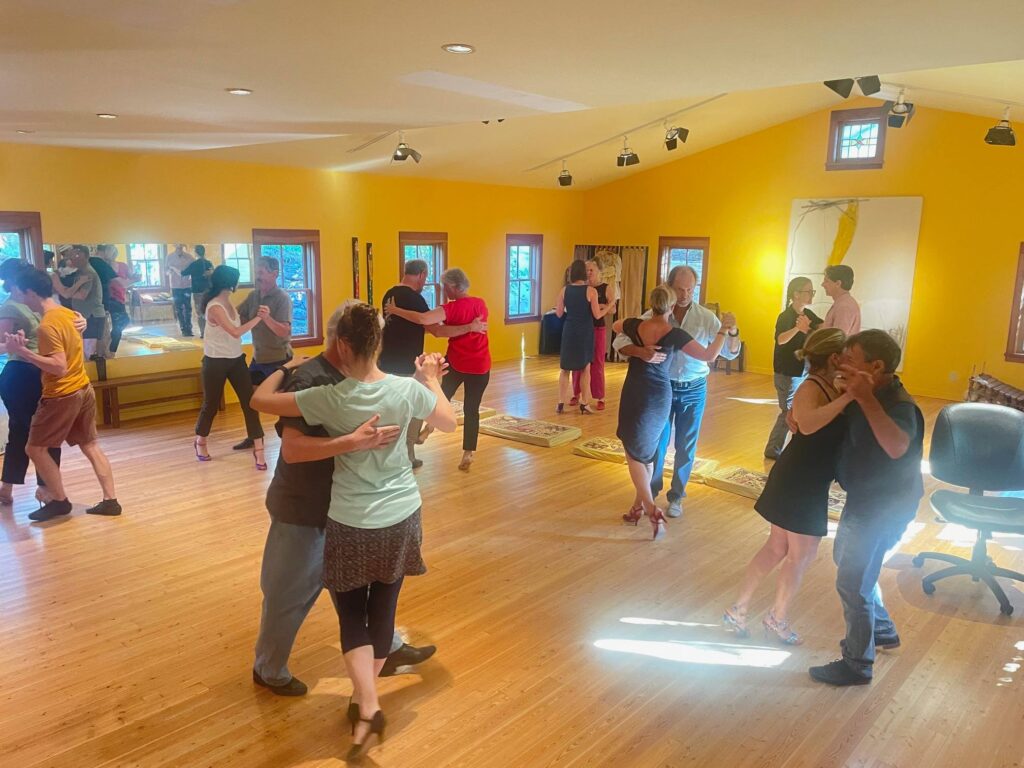
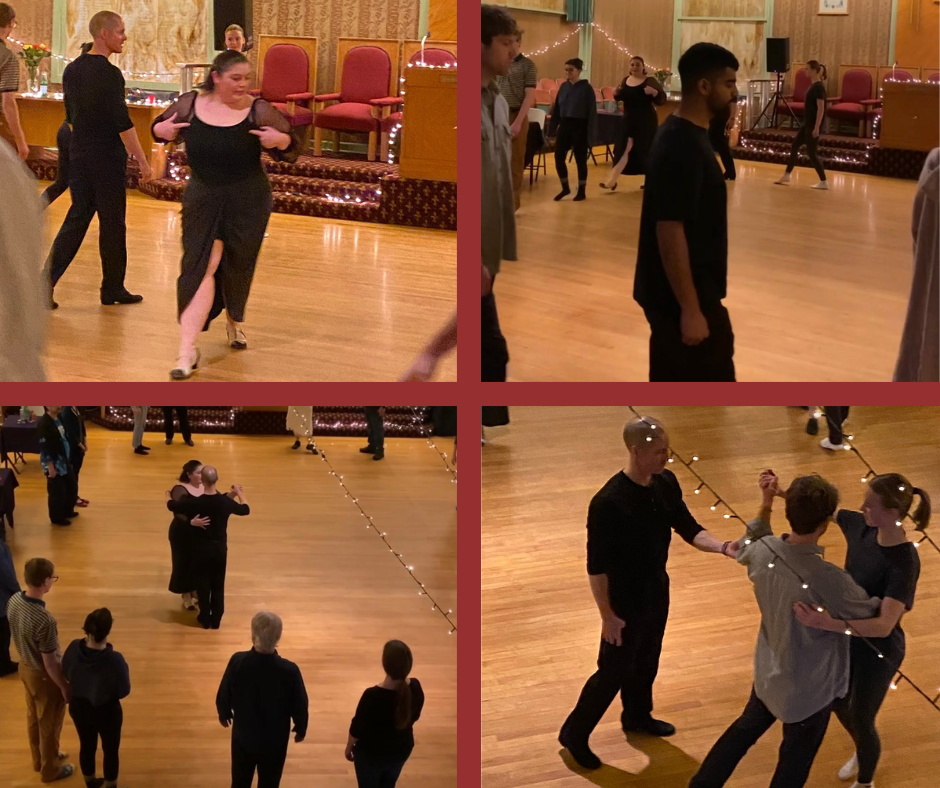
Tango Missoula does not have its own studio/weekly class. However, Missoula is incredibly fortunate to have tango events nearly every day of the week from multiple different studios. Explore our Classes and Events page to see how much, when and where classes are available in the Missoula area. 

Different teachers have different philosophies, styles of teaching, and energy. Your level, location, and style of learning will have a huge impact on which class is for you. Here is some general advice and recommendations, however we encourage dancers to try all the classes and find one or more that work for you. 

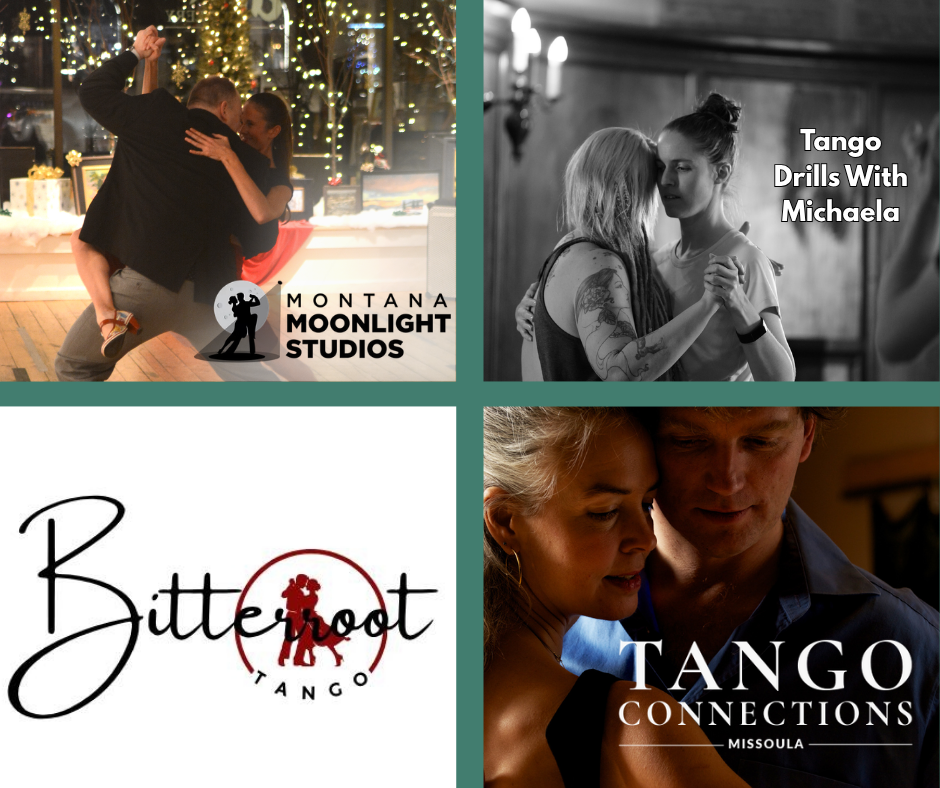
Beginners Classes: Tango Connections, MT Moonlight Studios, and Bitterroot Tango all have classes geared specifically toward new students

Intermediate classes: Tango Connections, MT Moonlight Studios, and Bitterroot Tango all have classes geared specifically toward intermediate or continuing students. Different studios/teachers have different rules on how you move on from the beginner class to the next level. 

Tango Drills (All Levels): If you want to move the needle outside of class we highly recommend tango drills. Michaela is an experienced dancer with a wealth of individual drills to improve your balance, strength, pivots and more. 

Open Practices: Tres Rios Practica and MT Moonlight Friday Practilonga are both open practices where you can go to work on your tango, ask questions, and just dance. While there is not a dedicated teacher, you can always ask the host or experienced dancers for advice or assistance. 

Vibes:

Tango Connections (Missoula) – We would describe this class as relaxed, methodical, great for students who want a slower pace, roll switching encouraged. 

MT Moonlight Studios (Missoula) – Fast paced, challenge oriented, great for avid learners. 

Bitterroot Tango (Stevensville) – Musicality focus, close to folks in the bitterroot, open practice wine and snacks after class!

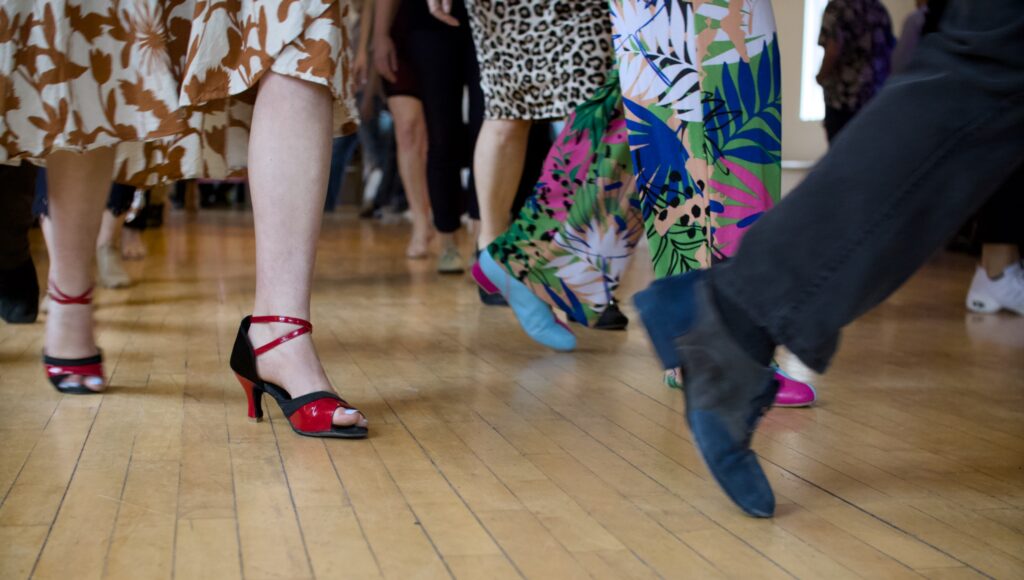
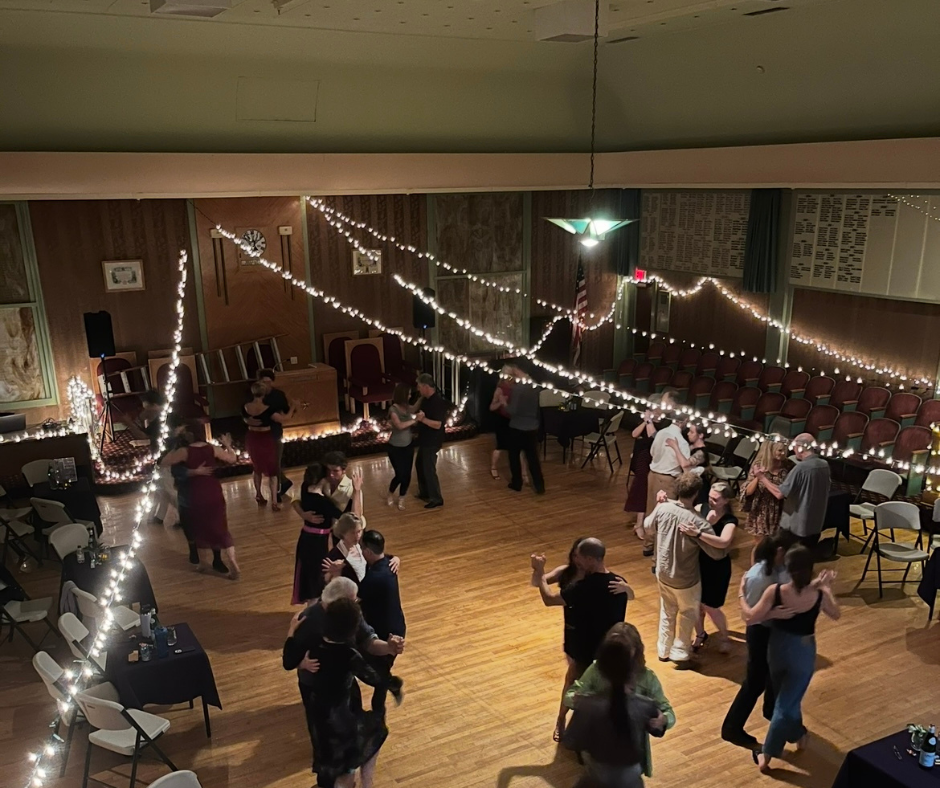
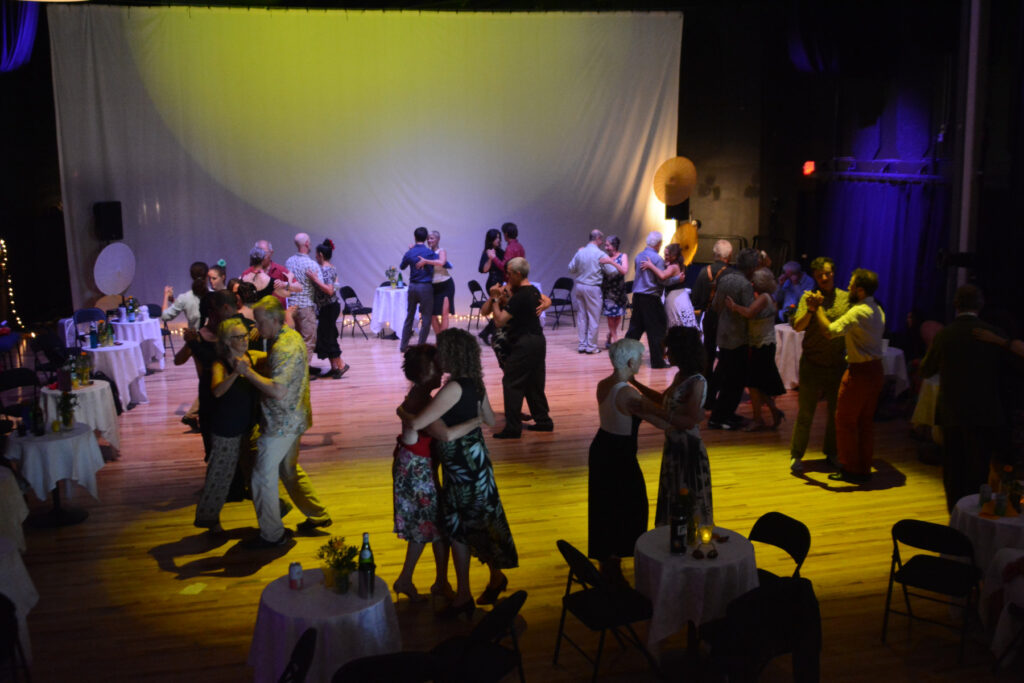
A milonga is an Argentine tango social dance. Tango Missoula hosts one every second saturday of the month. Learn more about milongas here.

No, you do not have to have any previous to attend a milonga. However if you are brand new to tango we do recommend attending either the intro class before the milonga or check out a class or practica to learn the basics.

Workshops and Festivals

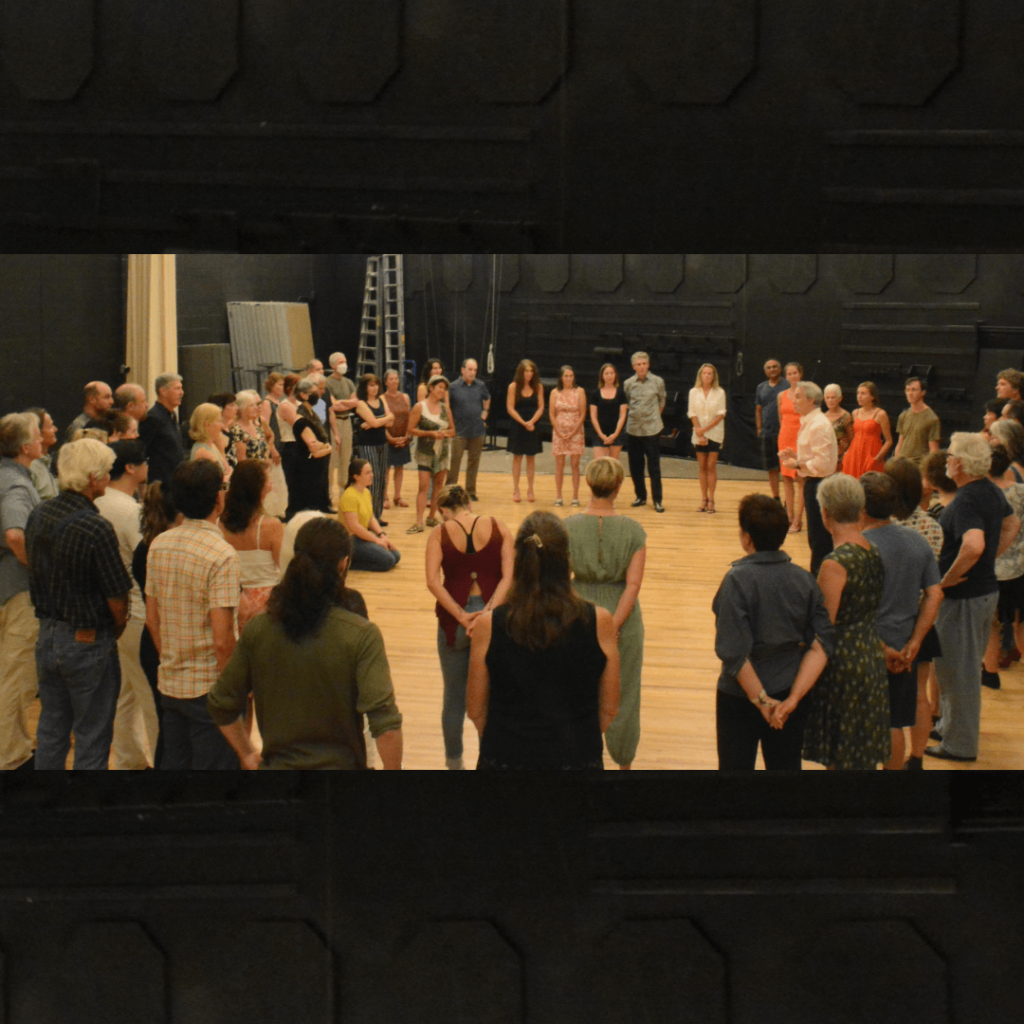
Yes! Most festivals or workshops will have at least a few classes catered toward beginners, even first time tango dancers. Look for “All Levels” or “Beginner” on the event schedule.

Every event is different but usually you can either pay at the door or sign up on ine. Check out Tango Missoula Events and Classes page or for the Fall Festival head to Montanatango.com.

How will I find People to dance with? Go to classes! Dancing with new people in class can make it much more comfortable to dance with them at a milonga!

Pace yourself, don’t try to attend every class, milonga, and mixer. Choose a few that sound fun or interesting to you and listen to your body. 

Don’t ignore the extras: Festivals/workshops sometimes have DJ seminars, Nature walks with locals, mixer milongas. These events can be a break for your body and so much fun!

Use the cabeceo: while we may be pretty lax about etiquette around here some advanced dancers and dancers from bigger cities will not dance with you if you ask. Use proper etiquette, use the cabeceo

Late bird gets the worm: If you can stay until the end, often the floor will open up, and the teachers and the advanced dancers will show their stuff.